
The mind's game understanding the psychology behind gambling behavior
The Allure of Gambling
Gambling has captivated humans for centuries, drawing players with the promise of excitement and potential rewards. The thrill of placing a bet, spinning a wheel, or drawing a card activates various regions of the brain associated with pleasure and reward. This allure is often intensified by the uncertainty of outcomes, creating a sense of anticipation that can be hard to resist. In the world of options, exploring no kyc casinos adds another layer of intrigue for those seeking privacy in their gaming experience.

Psychologically, gambling acts as a form of escapism, offering a temporary break from reality. For many, it provides a sense of control in an unpredictable world. The potential for winning large sums of money can also trigger feelings of euphoria, reinforcing the behavior and leading individuals to gamble more frequently, often despite the risks involved.
The Psychology of Risk-Taking
The psychology behind gambling behavior is deeply rooted in human nature and our relationship with risk. Many individuals are inherently drawn to risk-taking activities, as these can lead to heightened emotional experiences. This attraction is often linked to the brain’s reward system, which releases dopamine, a neurotransmitter associated with pleasure, during thrilling moments.
This behavior is particularly evident in games of chance, where outcomes are uncertain. The feeling of risk can enhance the excitement of gambling, making it a compelling activity. However, understanding this psychological aspect also raises awareness of the fine line between healthy gambling and gambling addiction, where the thrill can turn into compulsion.
The Role of Cognitive Biases
Cognitive biases play a significant role in how individuals approach gambling. Many gamblers fall victim to the illusion of control, believing they can influence the outcome of random events. This misconception can lead to overconfidence and a greater willingness to take risks, ultimately leading to more significant losses.
Another common bias is the gambler’s fallacy, where individuals believe that past events can influence future outcomes. For example, if a slot machine hasn’t paid out in a while, players may assume it’s “due” for a win. These cognitive distortions not only fuel continued gambling but also contribute to the cycle of chasing losses, which can escalate gambling behavior.
Signs of Gambling Addiction
Recognizing the signs of gambling addiction is crucial for prevention and intervention. Some common indicators include increasing preoccupation with gambling, lying about gambling habits, and neglecting responsibilities to gamble. Individuals may also experience emotional distress, such as anxiety and depression, as their gambling behavior spirals out of control.
Understanding these signs can empower both individuals and their loved ones to take action. It is essential to seek help and support, whether through counseling, support groups, or treatment programs designed to address gambling addiction. Awareness is the first step towards reclaiming control and establishing healthier habits.
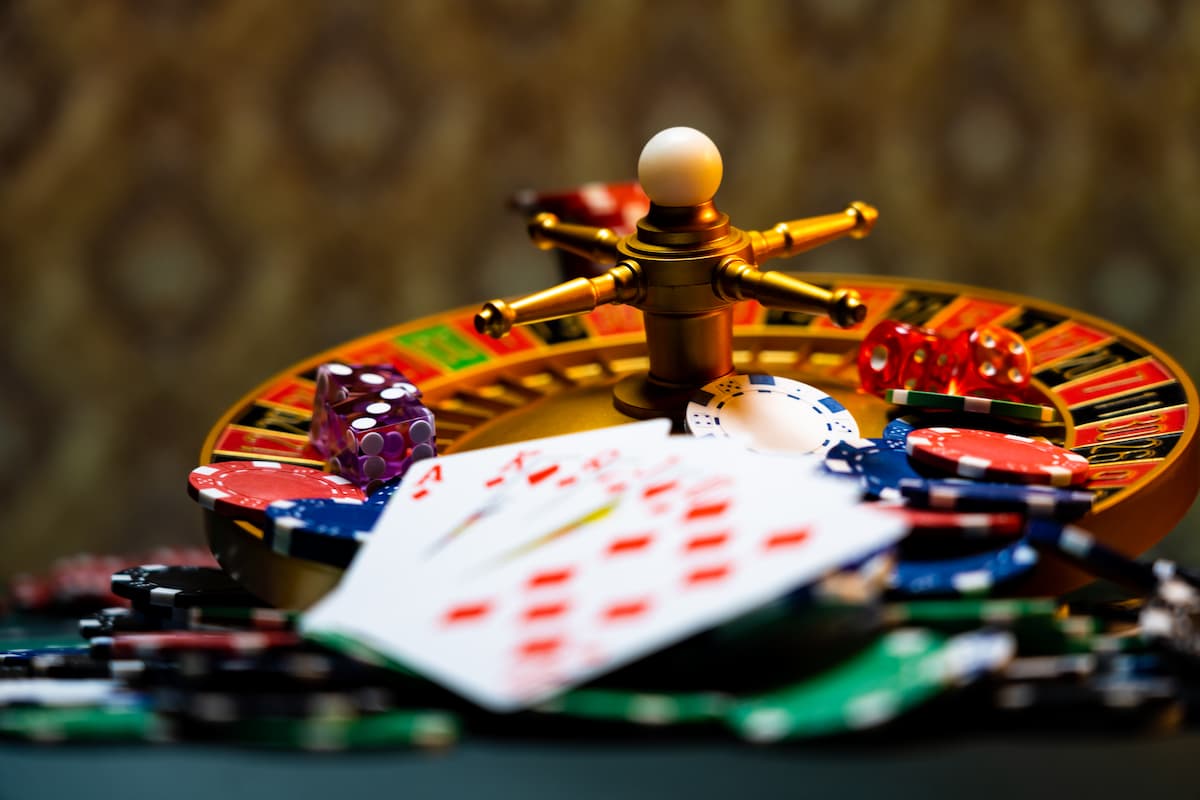
Understanding Gambling Behavior Today
Today, online gambling has transformed the landscape of gaming, providing accessibility and anonymity that were previously unavailable. This shift has introduced new challenges in understanding gambling behavior, as players can now engage in gambling from the comfort of their homes. The convenience can exacerbate existing problems or create new ones, making awareness and education more critical than ever.
Our website aims to explore the intricacies of gambling behavior, offering insights into the psychological factors that influence it. By focusing on gambling addiction awareness, we strive to provide resources and information to help individuals recognize and address their gambling habits, ultimately promoting healthier choices in the gaming world.